Advancing the Frontiers of Regenerative Medicine
GENKOK and the Future of Stem Cell Technology in Türkiye.
By Oya Bain
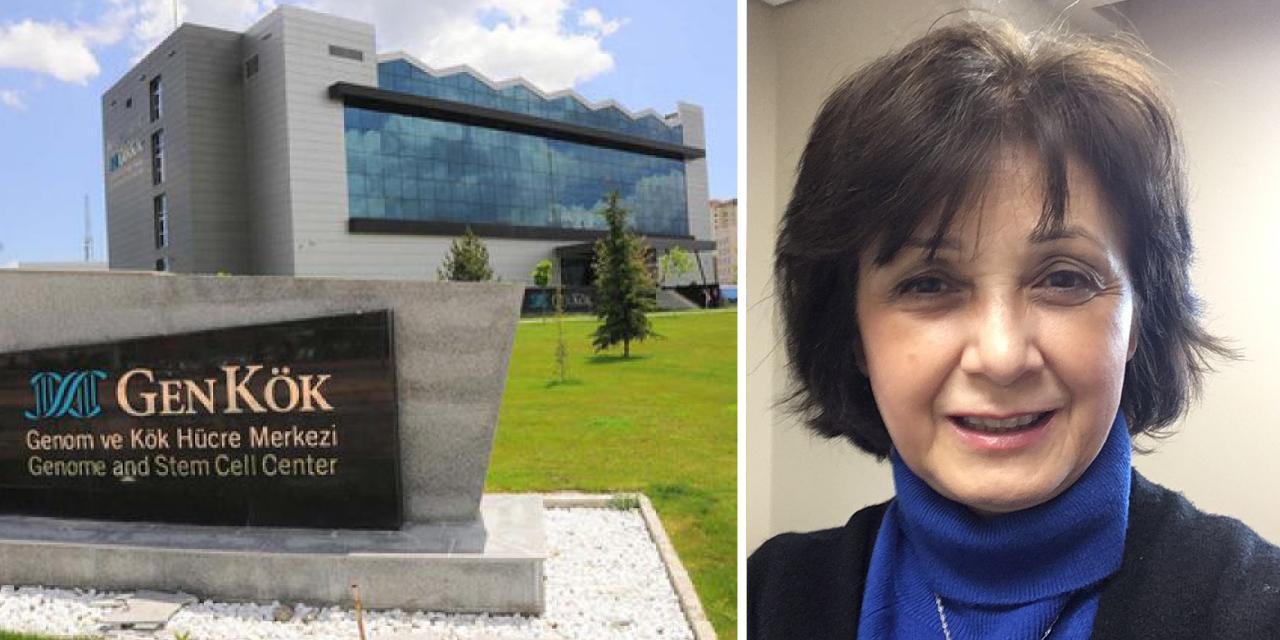
In the realm of cutting-edge medical advancements, stem cell technology stands out as a transformative field with the potential to redefine modern healthcare. Dr Olcay Y Jones, a prominent pediatric rheumatologist based in Bethesda, Maryland, brings a wealth of expertise to this revolutionary science. With a career spanning continents and groundbreaking contributions to stem cell research, Dr Jones has played a pivotal role in advancing personalized treatments for autoimmune and inflammatory diseases.
In this exclusive interview, Dr Jones shares insights into her collaboration with Türkiye’s GENKOK Center, the potential of stem cell therapies, and how Türkiye is positioning itself as a leader in regenerative medicine.
Could you share some information about yourself, including your family background, education, and professional experience?
I am a senior pediatric rheumatologist currently practicing in Bethesda, Maryland. I earned my medical degree from Hacettepe University in Ankara, Türkiye, and later pursued a PhD in Immunology at the University of Arkansas for Medical Sciences. Following my postdoctoral research at Johns Hopkins University, I completed my pediatric residency at Arkansas Children’s Hospital and a Pediatric Rheumatology fellowship at the University of Chicago.
My career has included clinical and research roles at institutions such as All Children’s Hospital, University of South Florida, and Children’s National Medical Center in Washington, DC. I have a deep interest in personalized treatments for children with autoimmune and inflammatory diseases. Additionally, I focus on combining in-person care with telemedicine to ensure accessibility for my patients.
Notably, I was involved in the first bone marrow transplant for a child with vasculitis in 2000 and have conducted significant preclinical studies on this treatment. Over the years, I have collaborated with national and international colleagues, authoring numerous publications in the field of stem cell technology.
Can you briefly describe stem cell technology and its groundbreaking applications in treating diseases?
Stem cells are the foundation of life, playing a crucial role in growth, healing, and regeneration. There are two main types of stem cells in the human body: hematopoietic stem cells (HSCs) in the bone marrow, which form blood and immune cells, and mesenchymal stem cells (MSCs), which regenerate and maintain organs, musculoskeletal systems, and soft tissues.
In autoimmune diseases, the balance between these stem cells is disrupted, leading the immune system to attack the body’s tissues. While current treatments reduce inflammation, MSCs hold the potential to harness the body’s natural regenerative power. MSCs not only modulate immune responses but also support tissue health and promote the formation of new blood vessels.
For over two decades, research has shown MSCs’ safety and effectiveness in treating autoimmune, degenerative, and neurological conditions, as well as cardiovascular diseases such as diabetes, Parkinson’s disease, and heart attacks. These cells also support joint and cartilage health and aid wound healing.
How did you become involved with the GENKOK Center at Erciyes University?
In 2018, I was invited to Erciyes University as a visiting scholar. During my time in Türkiye for family reasons, I had the privilege of visiting the GENKOK Center and meeting its dedicated scientists. Following the necessary approvals and disclosures, I continued as an international academic advisor on a volunteer basis.
During the COVID-19 pandemic, I contributed to two publications led by GENKOK scientists. One focused on a clinical trial utilizing serum-derived exosomes, while the other involved bench-top characterization of these exosomes. My role primarily involved data analysis and manuscript preparation, while my Turkish colleagues handled study design and execution. This collaboration is a testament to the innovative research emerging from Türkiye.
What types of stem cell therapies does the GENKOK Center provide to Turkish patients?
The GENKOK Center has treated over 700 patients with MSCs for conditions such as arthritis, severe wounds, jaw diseases, and near-blindness. One of GENKOK’s strengths lies in its expertise in producing MSCs from diverse sources like bone marrow, adipose tissue, and umbilical cord—both from donors and the patients themselves.
All treatments at GENKOK are conducted under strict regulatory oversight, with approvals from the Turkish Ministry of Health and institutional ethics committees. This rigorous process mirrors the Institutional Review Board (IRB) standards in the US, ensuring patient safety and ethical compliance.
How can Türkiye become a regional leader in stem cell therapies?
Türkiye possesses the resources and cultural mindset necessary to lead the field of regenerative medicine. Centers like GENKOK, supported by a commitment to innovation, have the potential to spearhead advancements in stem cell therapies.
While this technology is still in its early stages, it has the transformative potential to reshape modern medicine. By fostering multidisciplinary collaboration and focusing on ethical practices, Türkiye can set a global benchmark for this groundbreaking field.
What are the plans for GENKOK to evolve into a world-class center for stem cell technology?
Achieving international recognition requires adherence to stringent regulatory standards, such as those set by the US Food and Drug Administration (FDA). Currently, no MSC products have gained FDA approval. However, by systematically pursuing clinical trials and international collaborations, GENKOK can set itself on the path to becoming a global leader.
GENKOK can emulate the strategies of other international centers by combining cutting-edge research with robust regulatory frameworks to achieve global credibility.
What are the financial needs for this ambitious project, and how is GENKOK currently funded?
Establishing a biomedical research and clinical center requires significant investment in infrastructure, equipment, and research. GENKOK currently receives funding through government support, private investments, and academic partnerships.
To accelerate progress, it is essential to explore additional funding sources, such as international grants, philanthropic contributions, and private-sector collaborations. A specific focus on children and young adults aligns with GENKOK’s vision and underscores the importance of investing in future generations.
What role can the Turkish-American community play in supporting GENKOK’s initiatives?
The Turkish-American community, especially scientists and professionals in the US, can play a pivotal role by contributing their expertise and fostering collaborations. Financial support is also critical to building momentum for GENKOK’s initiatives.
A shared vision, coupled with structured, multilateral partnerships, can enable GENKOK to achieve groundbreaking advancements in stem cell therapy, benefiting future generations and reinforcing Türkiye’s leadership in regenerative medicine. ■
Disclaimer: The views expressed here are those of the author and do not necessarily reflect the official policy of the Department of Defense or the US Government.
……………….
Oya Bain is a retired biochemist from Georgetown University Hospital. She has been a long-standing activist in the
Turkish community, both in cultural and political affairs. She has served and still does on the boards of many Turkish American organizations.
She believes in strong ties between Türkiye and the US and strives to promote Turkish history and culture at every chance.