
Turkish cuisine is a harmonious blend of tradition, sustainability, and health—where every dish tells a story and every ingredient is cherished.
By Sara Jensen
Turkish cuisine, deeply rooted in tradition and celebrated for its health-conscious and sustainable approach, offers a unique gastronomic experience that bridges the past and present. Known for its diverse flavors and innovative use of local produce, Turkish gastronomy is a treasure trove of culinary delights that has captivated food enthusiasts worldwide. This article delves into the essential aspects of Turkish cuisine, from its rich traditions and healthy ingredients to its hallmark dishes and beverages.
A Legacy of Tradition
At the heart of Turkish cuisine lies its reverence for tradition. Recipes are handed down through generations, from grandmothers to grandchildren, preserving the authentic flavors of centuries past. Traditional cooking methods ensure that the dishes retain their original essence, offering a taste of history with every bite. Whether it is a slow-cooked stew or a meticulously prepared dessert, Turkish food is a testament to the timeless art of culinary craftsmanship.
Cooking in Türkiye is not merely about sustenance; it is an act of cultural preservation. Each dish carries the stories of the people who created it and reflects the regional diversity of a country that spans Europe and Asia. The result is a cuisine that seamlessly blends influences from Anatolia, the Balkans, the Middle East, and the Mediterranean.
Commitment to Sustainability
Turkish gastronomy is also renowned for its zero-waste philosophy. Every ingredient is used to its fullest potential in a typical Turkish kitchen. Vegetable scraps are transformed into broths, citrus peels enhance desserts, and leftover rice enriches soups. Seasonal fruits and vegetables are preserved through drying or freezing, ensuring their availability throughout the year.
This commitment to sustainability not only minimizes waste but also emphasizes the importance of resourcefulness. Turkish cooking exemplifies how traditional methods can align with modern environmental concerns, making it a model of sustainable culinary practices.
Health at the Forefront
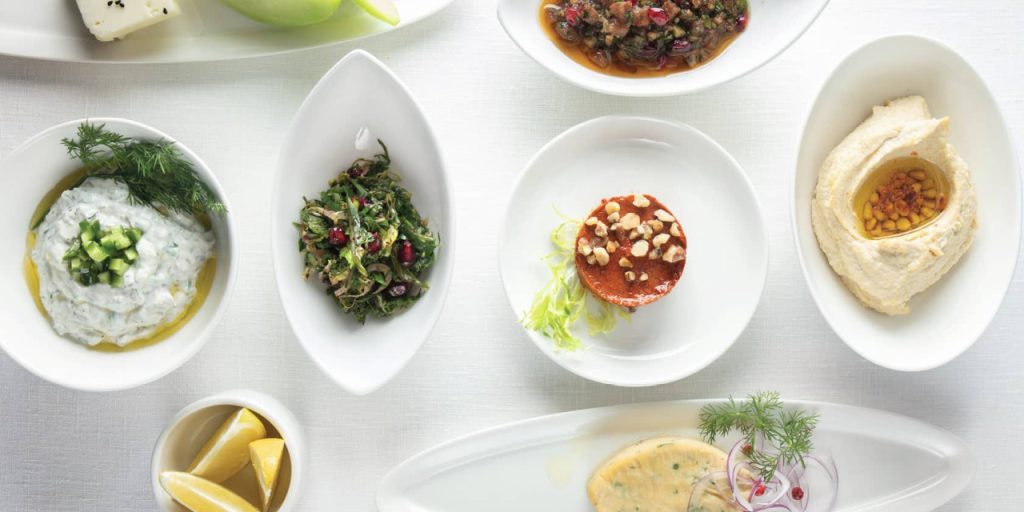
Health-conscious cooking is another hallmark of Turkish cuisine. Dishes are often prepared using locally sourced, sun-kissed produce and organic ingredients. Olive oil, a staple in Turkish cooking, is prized for its health benefits and is used generously in meze (appetizers), stews, and vegetable dishes.
Cooking techniques such as steaming, boiling, and baking are preferred to retain the ingredients’ natural nutrients, flavors, and textures. The result is a cuisine that nourishes the body, mind, and spirit. Many Turkish dishes are inherently vegetarian-friendly; even meat-based recipes emphasize balance and moderation.
Signature Dishes and Experiences
Turkish cuisine is a feast for the senses, offering diverse dishes that cater to every palate. Here are some highlights:
The Quintessential Turkish Breakfast
Turkish breakfast is an elaborate affair featuring an array of small dishes. Cheese, olives, jams, honey, clotted cream, fresh bread, and eggs prepared in various styles are staples. Unlimited cups of freshly brewed Turkish tea complete this hearty and leisurely meal.
Esnaf Lokantası: The Soul of Local Dining
For an authentic experience, visit an esnaf lokantası (tradesmen’s restaurant). These establishments serve home-style dishes at affordable prices, offering a buffet-style selection of soups, stews, and vegetable-based entrees. Bread is often complimentary, and tipping, though not mandatory, is appreciated.
Seafood Specialties
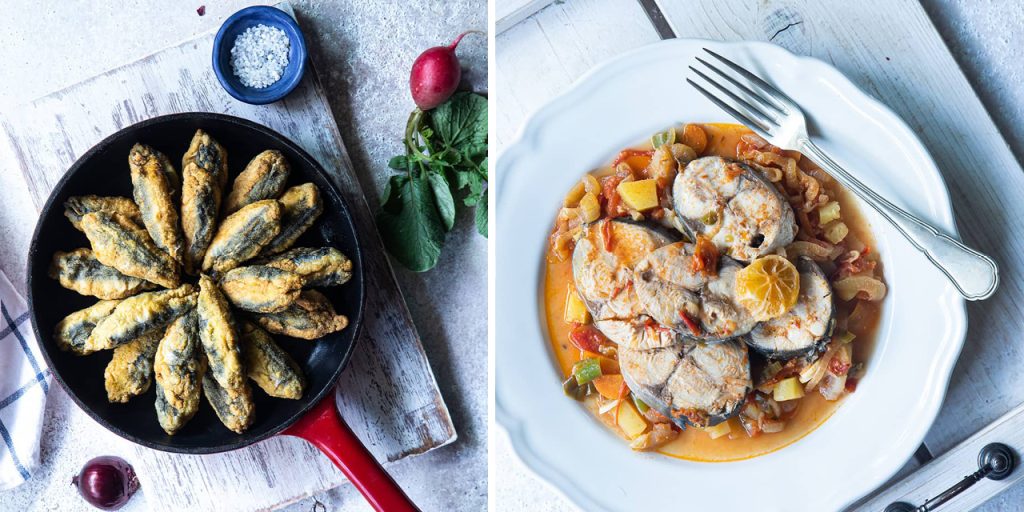
Surrounded by three seas, Türkiye is rich in seafood. Hamsi (anchovies) and lüfer (bluefish) are particularly beloved. Whether grilled, baked, or fried, these fish are a cornerstone of Turkish coastal cuisine. The autumn fishing season brings excitement, with fishing enthusiasts lining the Bosphorus for their catch of the day.
Olive Oil Dishes
Known as zeytinyağlı yemekler, these vegetarian-friendly dishes highlight the versatility of olive oil. Artichokes, beans, and eggplants are often simmered in olive oil and served cold, offering a light yet flavorful option for any meal.
Beloved Beverages
Turkish meals are always accompanied by beverages, from the refreshing ayran (a yogurt-based drink) to the warm, cinnamon-spiced sahlep, enjoyed on winter evenings. Turkish coffee, recognized by UNESCO as an Intangible Cultural Heritage, is a drink and a ritual, complete with fortune-telling from the coffee grounds.
Desserts That Delight
Turkish desserts are as varied as the main courses, ranging from syrup-soaked pastries to creamy milk-based treats:
◗ Baklava: Layers of flaky phyllo dough, nuts, and syrup come together in this iconic dessert, which has earned geographical indication status.
◗ Milky Desserts: Low in calories but rich in flavor, options like sütlaç (rice pudding) and kazandibi (caramelized milk pudding) are favorites.
◗ Turkish Delight (Lokum): These chewy, sugar-dusted candies, flavored with rosewater, lemon, or pistachio, perfectly accompany Turkish coffee.
Street Food and Snacks
Turkish street food culture is vibrant and accessible. Simit, a sesame-crusted bread ring, is a breakfast staple, while pide (flatbread with various toppings) and börek (savory pastries) are popular throughout the day. Tarhana soup, made from fermented and dried vegetables, is a quick and nutritious option enjoyed nationwide.
Celebrating Turkish Cuisine
Each May, Turkish Cuisine Week showcases the richness of Turkish gastronomy. This global celebration features cooking workshops, chef talks, and tastings that highlight the diversity of Türkiye’s culinary heritage. It is an opportunity to explore both traditional recipes and modern interpretations.
The Future of Turkish Gastronomy
As the global culinary scene evolves, Turkish cuisine continues to gain recognition for its balance of tradition and innovation. Its emphasis on health, sustainability, and cultural authenticity positions it as a leading example of mindful cooking. Whether through a hearty esnaf lokantası meal, a luxurious seafood platter, or a humble cup of Turkish tea, the flavors of Türkiye invite the world to connect with its rich heritage.
Discovering the Magic of Turkish Cuisine
From its deep-rooted traditions to its forward-thinking sustainability practices, Turkish gastronomy celebrates life, history, and culture. Whether savoring a home-cooked meal, indulging in street food, or participating in a Turkish culinary event, the journey through Türkiye’s flavors is one of endless discovery and delight. ■